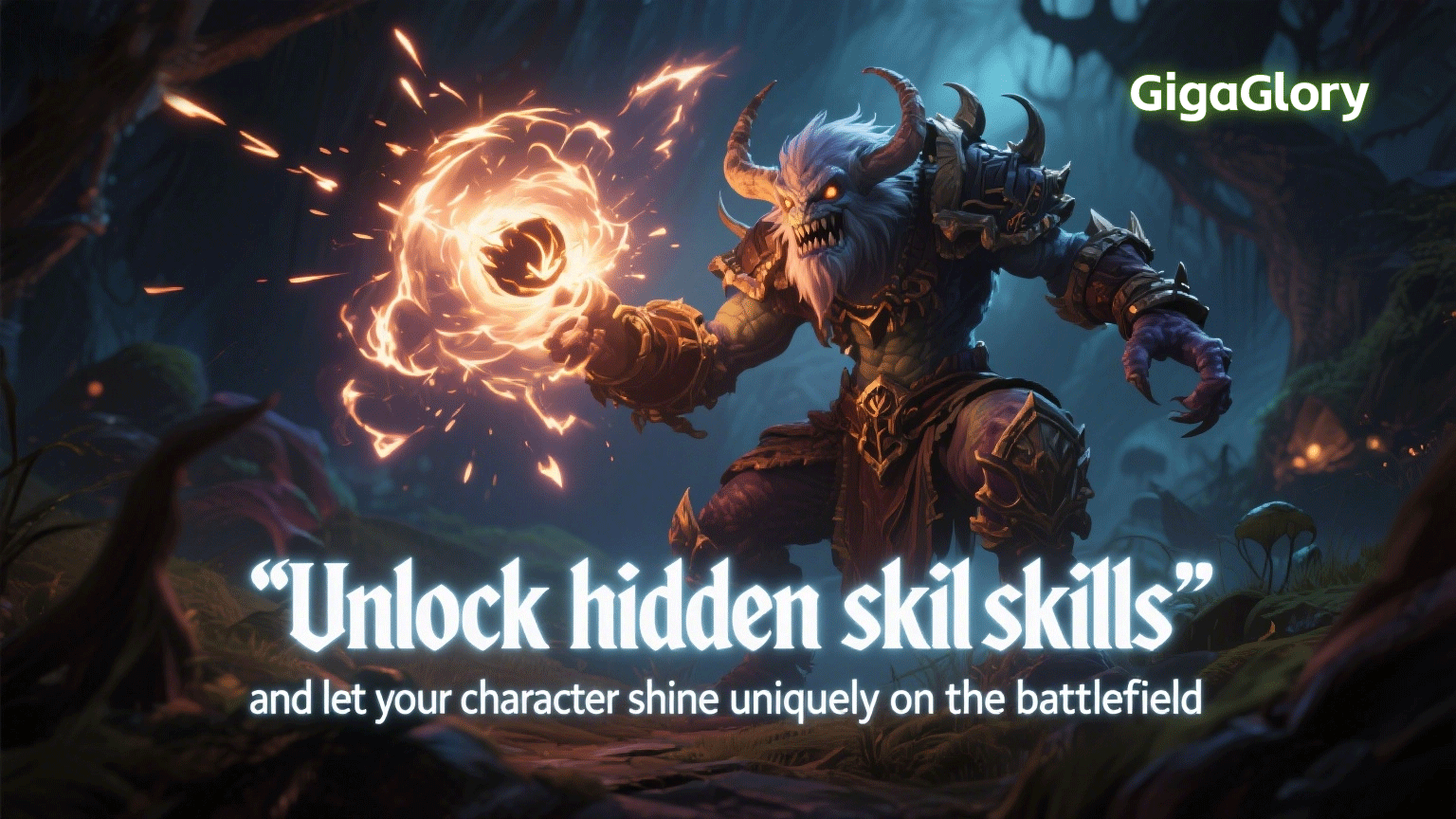
How Building Games and Simulation Games are Revolutionizing the Gaming Experience
The gaming landscape has witnessed a transformative change in recent years. Among the most exciting developments are building games and simulation games that not only entertain but also engage players in unprecedented ways. Titles like Clash of Clans have set the stage for a new realm of interactive experiences that captivate users and redefine what gaming can be.
The Rise of Building Games
Building games have become more than just simple entertainment; they are platforms for creativity and community. Players are given construction blocks, both virtual and strategic, to create their unique worlds. These games encourage players to think critically while making decisions on resource management and infrastructure. Let's take a closer look at some key advantages:
- Fosters Creativity: Players can unleash their imaginative potential by designing anything from a simple garden to a sprawling city.
- Strategic Thinking: Balancing resources and planning for future expansions develop problem-solving skills.
- Community Engagement: Most building games include multiplayer options, fostering friendships and collaboration.
Simulation Games: A New Frontier
Simulation games offer a different flavor of engagement by mimicking real-world systems. Players manage everything from civilizations to businesses. They’re not just games; they're interactive experiences that provide insights into economics, ecology, and sociology. Consider the ongoing popularity of simulation titles that allow players to explore complex systems.
| Game Title | Core Features | Target Audience |
|---|---|---|
| Clash of Clans | Base building, strategy, multiplayer | All ages |
| The Sims | Life simulation, customization | Teen and above |
| SimCity | City building, management | Strategy enthusiasts |
The Impact of Games on Social Skills
One of the most significant outcomes of building and simulation games is their contribution to social skills development. As players interact with each other, they learn to communicate, negotiate, and strategize:
- Collaboration: Working together on shared goals enhances teamwork.
- Conflict Resolution: Players navigate competition which helps develop negotiation tactics.
- Leadership Skills: In games like Clash of Clans, players often take leadership roles that translate into real-world abilities.
Looking Ahead: The Future of Gaming
The future of building and simulation games looks bright. Developers are continually innovating, integrating new technologies like virtual reality (VR) and augmented reality (AR). As these technologies evolve, the gaming experience will become even more immersive, allowing players to engage in scenarios that were once only possible in their imaginations.
Moreover, with the vast growth of mobile gaming, more players can access building and simulation games from virtually anywhere. This accessibility means broader communities and richer interactions, further enhancing the social and strategic experience.
Conclusion
In summary, building games and simulation games are not just a source of entertainment; they are a revolution in the way we experience gaming. They foster creativity, encourage strategic thinking, and enhance social skills. With their ever-evolving nature and vast community potential, games like Clash of Clans are paving the way for a future filled with engaging and interactive entertainment. As we look ahead, it’s clear that these games are more than mere pastime; they are shaping a new generation of thinkers, creators, and leaders.