Unlocking Adventure: How MMORPGs Redefine Multiplayer Games in Today's Gaming Landscape
Introduction to MMORPGs
Massively Multiplayer Online Role-Playing Games, or MMORPGs, have become a cornerstone of the gaming industry. What started as niche gameplay has bloomed into a vibrant part of today's multiplayer games landscape. But why are these games so engrossing, and how do they alter the way we perceive online interaction and community?
The Allure of Social Interaction
MMORPGs emphasize social interaction. Players forge friendships that often transcend geographical boundaries. The chat functions, guilds, and cooperative quests enable a sense of belonging, making players feel less like solitary gamers and more like part of a global community.
Game Mechanics: What Sets MMORPGs Apart
Unlike traditional video games where fun pretty much ends after the game is played, MMORPGs are designed for continuous development and exploration. Core mechanics include:
- Character customizations
- Dynamic quest systems
- Player-driven economy
Immersive Worlds and Storytelling
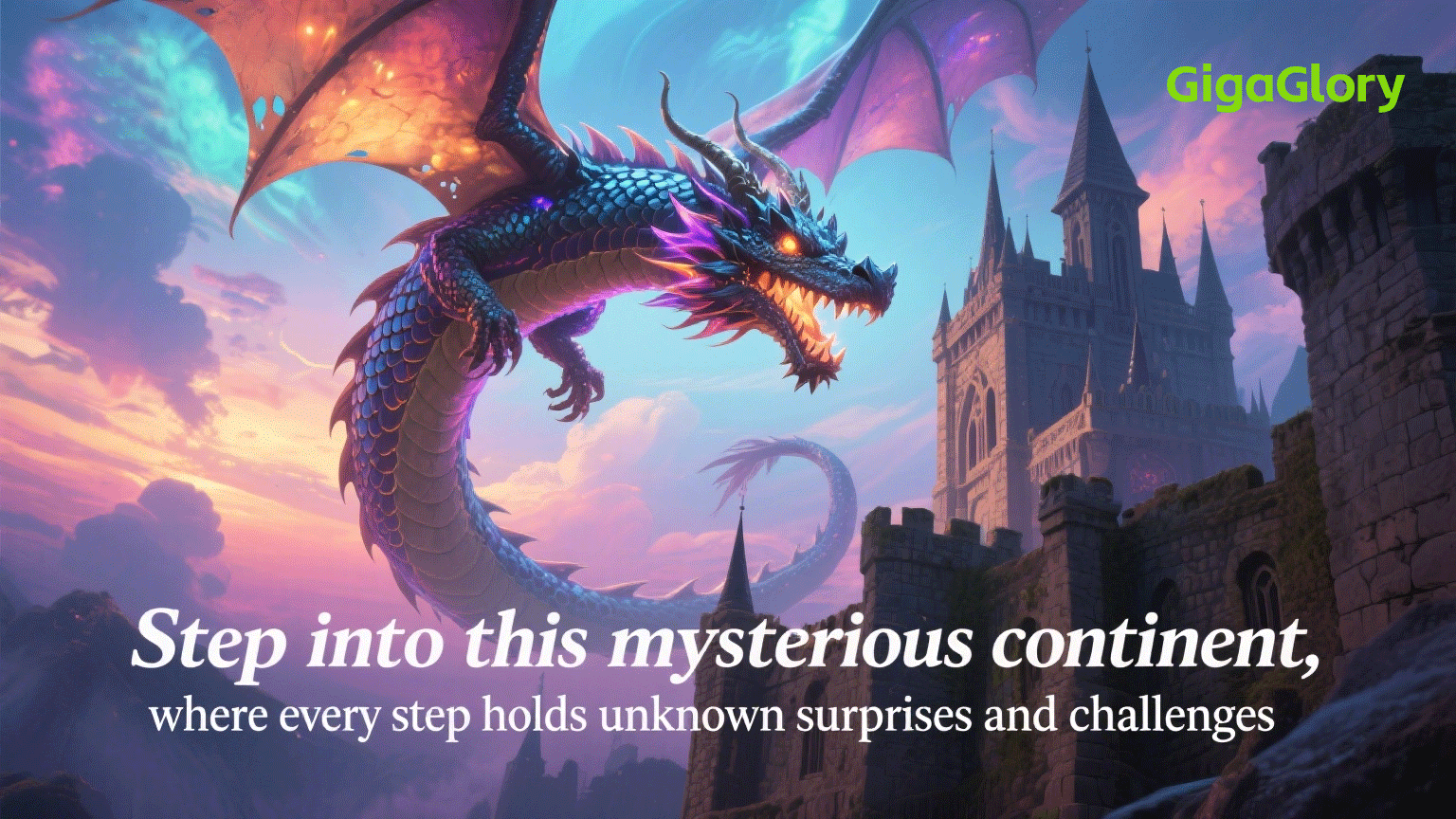
The narratives in MMORPGs are often epic in scale. Here, players are not just passive consumers but active participants in continuous storytelling. World-building is meticulously crafted to draw players in, encouraging them to save kingdoms and discover new realms.
The Role of PvP and PvE
Player versus Player (PvP) and Player versus Environment (PvE) are two pillars of MMORPG gameplay. While PvP pits players against one another, fostering competitiveness, PvE allows for collaborative goal-setting, emphasizing teamwork as players face NPCs and environmental challenges together.
Popular MMORPGs Reshaping the Genre
Several MMORPGs have broken through to become juggernauts of the gaming world:
| Game Title | Release Date | Notable Features |
|---|---|---|
| World of Warcraft | 2004 | Diverse races, intricate lore |
| Final Fantasy XIV | 2010 | Stunning graphics, rich storylines |
| Guild Wars 2 | 2012 | Dynamic events, no subscription fee |
Clash of Clans vs. MMORPGs
When looking at games like Clash of Clans, especially the builder base 8 layout feature, a contrast becomes evident. While Clash of Clans focuses on strategy and resource management in a more casual setting, MMORPGs unravel a deeper layer of engagement, allowing for social interactions and character development.
The Impact of Technology
With the rise of technology such as VR and better internet accessibility, MMORPGs have embraced new platforms. This enhancement allows for higher levels of interactivity and realism, pulling players into immersive worlds where the lines between gaming and reality blur.
Community Engagement and Events
In MMORPGs, community engagement is often uplifted through regular events. Special occasions such as holidays or game anniversaries bring players together, creating a festive atmosphere filled with in-game activities and rewards, which retain player interest over time.
Monetization Models: Subscription vs. Free-to-Play
MMORPGs typically adopt diverse monetization strategies. Some, like World of Warcraft, operate on a subscription model, while others have shifted to free-to-play options with in-game purchases. This flexibility caters to a broader audience, making access easier.
Hack Last War Survival: A Different Take
As we dive into games like hack last war survival game, they embody a different genre yet share elements with MMORPGs. The survival gameplay can offer co-op missions or PvP elements, drawing in players looking for innovation in multiplayer games.
The Future of MMORPGs
The industry is changing, with more emphasis on cross-platform capabilities and new storytelling methods. It'll be fascinating to see how emerging trends like mobile gaming impact the MMORPG landscape.
Final Thoughts
MMORPGs are here to stay, proving their resilience and adaptability in a rapidly changing gaming scene. Their unique amalgamation of social elements, immersive environments, and continuous content updates have forever changed the face of multiplayer games. The essence of what makes gaming enjoyable—community, adventure, and stories—can be found deep within the worlds of MMORPGs.










Key Takeaways
- MMORPGs promote social interaction.
- Dynamic gameplay mechanics keep players engaged.
- Technological advancements are reshaping immersive experiences.
- Community events strengthen player connections.
- Monetization methods are evolving to attract diverse audiences.